A Florida insurance guide for Tallahassee readers

Uninsured Motorist Limits and Rejections for Leon County Drivers

Uninsured motorist coverage in Leon County: its limits match your injury liability limits unless a named insured signs for less or rejects it.

At InsuranceTallahasseeFL.com, Matt Williams, a licensed Florida agent, puts 80+ companies side by side for you.

  • 80+ companies, side by side, same day
  • Injuries from Leon County crashes in 2024: 3,986 (FLHSMV)
  • Leon County traffic deaths in 2024: 37 (FLHSMV)
  • One named insured can sign it away for everyone (s. 627.727)
  • Your insurer sends a yearly notice of your options (s. 627.727)

When the at-fault driver can't pay

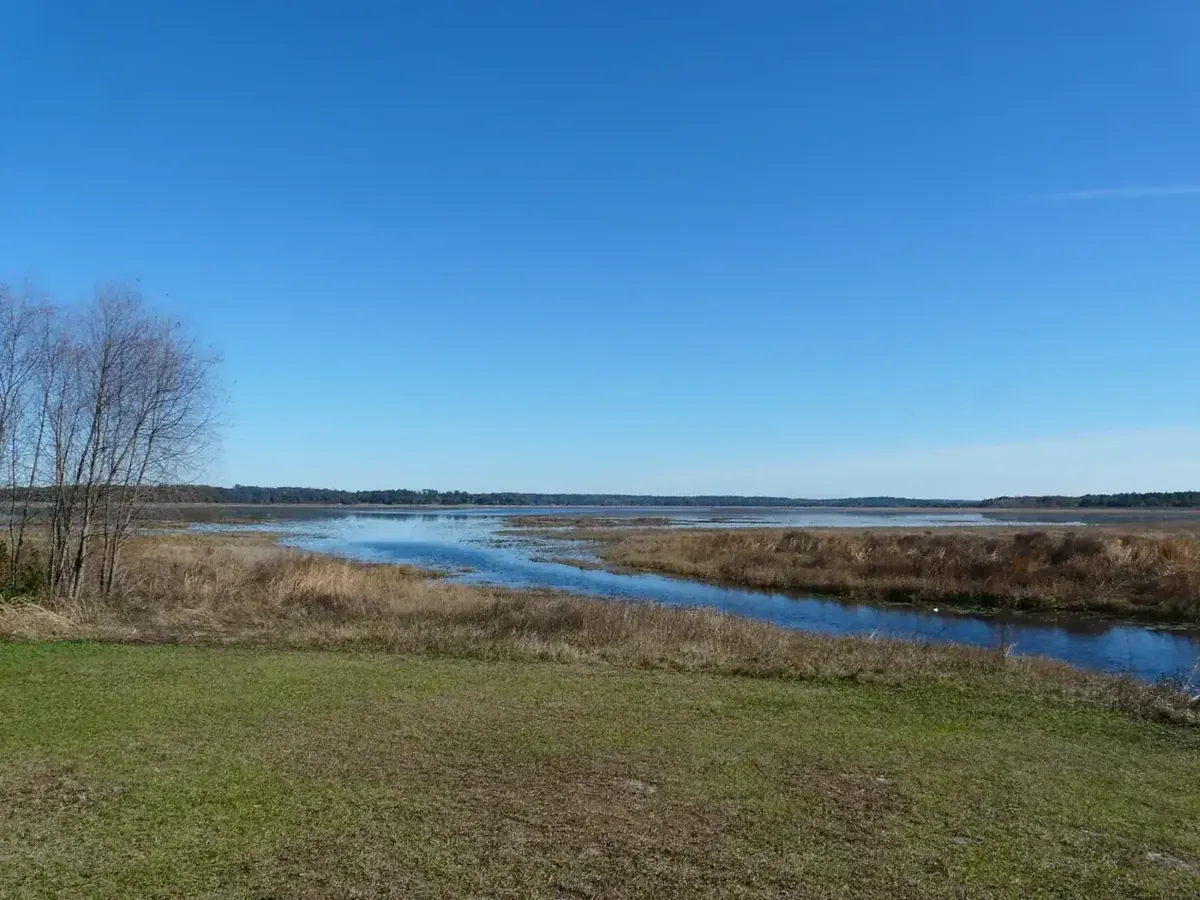
Lake Jackson viewed from Sunset Landing, Leon County
Lake Jackson, Leon County.

The form you sign today shapes the claim you hope never to file.

Uninsured Motorist Coverage Florida: your signed choice shapes the claim

When the driver at fault has no insurance, or not enough, this is the part of your own auto policy that answers for you. It is also a choice that can be rejected, or set at lower limits, with a single signature on a form that is easy to skim.

Florida law addresses how that written rejection or lower-limit selection is made, and which limitations a policy is permitted to include. That is why the paperwork matters more than the premium, and why stacking has no universal formula: the selection you make and the conditions in the law control the answer. Uninsured motorist cover is a choice on top of the coverage Florida requires to register a car. It is one of the six things that move a Leon County quote.

Florida law addresses uninsured-motorist coverage, written rejection or selection of lower limits, and permitted limitations in section 627.727. (s. 627.727)

Stacked or non-stacked: get the answer for your cars, not a rule of thumb

This choice can change both what you pay and what is available after a crash, so it deserves a real explanation. Have us walk through the difference using the actual quote and the actual selection form in front of you.

Do not multiply a number by your vehicle count and assume the result applies in every situation. Companies present this choice in their own way, which is one more reason to see quotes from more than one company side by side. An agency call that quotes many companies at once puts those forms next to each other.

Get these details right and the quote matches your real household

A quote built on the wrong household is a quote for somebody else. Settle these points first, so every company is pricing the same drivers and the same vehicles.

  • Who is named on the policy, and who else lives in your household?
  • Which vehicles are actually included in the quote?
  • Which selection or rejection form are you being asked to sign?
  • How would the wording apply while you are riding in someone else's vehicle?

A motorcycle may sit on a separate policy, so check the rider's own selection when you quote the bike. Work vehicles carry their own selection on the business auto policy for the company's vehicles, and a motor home on its own RV policy has a form of its own.

A cheaper quote with a different selection is not a real comparison

If an option is added, removed or changed between quotes, have that difference explained before you look at the price. Otherwise you could be comparing two different policies and calling one of them a bargain.

Keep copies of the final declarations and any signed selection forms. If a claim ever comes up, those pages are your record of what you chose. An umbrella above the car policy is a separate decision; what an umbrella sits on top of is worth knowing before you set limits.

Check the selection first, because a familiar price can hide a different choice

A premium that looks just like last year's can still sit on top of a different uninsured motorist selection. Look for the uninsured motorist information on the declarations and application documents, and ask whether the quote reflects the selection you actually intend, including any rejection or lower-limit choice.

Do not assume a familiar premium means the same coverage was selected. If the paperwork is unclear, ask for the choice and its consequences to be explained before you sign. That explanation is part of the call, and asking commits you to nothing.

Tell your story once and get answers built on your own policy

Describe your drivers and vehicles once, on one call, and the request goes out to many companies instead of you repeating it to agent after agent. Then ask how each proposed policy applies to those exact circumstances.

Stacked and non-stacked choices need a specific explanation rather than a universal formula. Keep the comparison tied to the actual policy wording and selections. A broad online example, this guide included, cannot determine the outcome of a future accident involving a particular person.

Revisit the choice at renewal, before a claim ever tests it

A new car, a sold car or a new driver in the house can make last year's selection the wrong fit for this year. When vehicles or household drivers change, revisit the selection instead of assuming the old arrangement still answers the question. Keep any signed selection documents with the policy.

Ask how the current quote differs from your renewal or any other option under consideration. A call can clarify the information needed, but the final policy and written selections should be checked before you rely on them. A quote does not bind, cancel or replace anything you already have, so confirm the effective date before changing coverage.

Ready to talk about your vehicle? Line up Tallahassee car quotes with the selection you intend.

See other prices before you renew

Give your details once. A licensed Florida agent compares companies for Tallahassee, Leon County and the towns nearby, and the choice stays with you.